
The Beauty of Imperfection: What Wabi-Sabi Can Teach Us
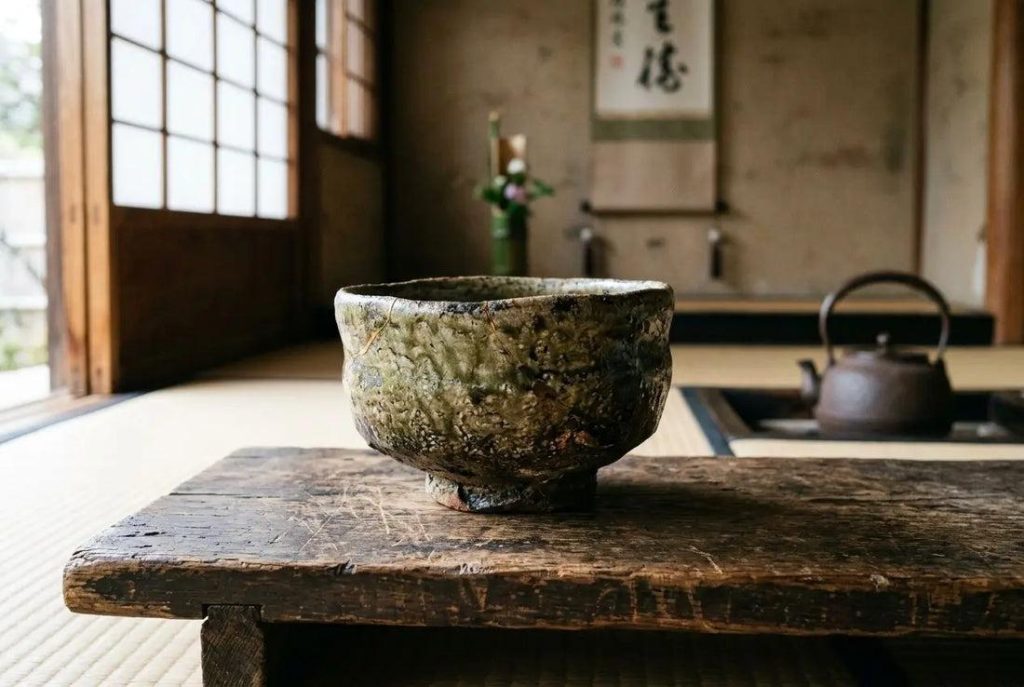
An uneven ceramic bowl. The warmth of weathered wood. A room that feels more beautiful because it has been lived in. Japanese aesthetics offer a different way to think about beauty, one that begins by accepting the passage of time.
There is something reassuring about an object that does not pretend to be perfect.
A handmade bowl with a slightly uneven rim. A wooden table marked by years of use. An old stone wall softened by weather and time.
These details rarely belong in a picture of flawless perfection. Yet they often give a place its character.
In a world filled with carefully styled interiors and objects designed to look new, the Japanese aesthetic associated with wabi-sabi offers another perspective.
It invites us to notice simplicity, age, and the qualities that make things individual.
Today, wabi-sabi interior design has become a familiar phrase. However, its cultural roots reach far beyond furniture, colour palettes, or decorating trends.
To understand its appeal, we need to look at the ideas and traditions behind it.
1. What Does Wabi-Sabi Really Mean?
Wabi-sabi is often described as finding beauty in imperfection.
That is a useful introduction, but it does not tell the whole story.
In Japanese aesthetics, wabi is associated with simple, understated beauty. Sabi refers to the character or patina that comes with age.
Together, these ideas are commonly used to describe an appreciation for things that are modest, changing, and marked by time.
There is no single English definition that captures every aspect of the tradition.
As the Stanford Encyclopedia of Philosophy explains, Japanese aesthetics has long explored the relationship between beauty and impermanence.
This perspective changes how we look at familiar objects.
A surface does not need to remain flawless to be beautiful. A handmade object does not need perfect symmetry. Even a changing landscape can hold beauty in every season, rather than only at its most colourful.
Wabi-sabi is therefore less about achieving a particular look and more about developing a different way of seeing.
2. The Tea Bowl That Changed the Conversation
To understand the history behind wabi-sabi, Japanese tea culture offers an important starting point.
The practice of chanoyu, often called the Japanese tea ceremony, developed over centuries. Alongside its rituals, it gave rise to ideas about hospitality, craftsmanship, and the beauty of everyday objects.
During the Muromachi period, a style of tea practice known as wabicha began to place greater value on simplicity and humble objects.
Rather than relying only on prestigious imported utensils, tea practitioners also appreciated objects made in Japan and items associated with ordinary life.
The Kyoto National Museum’s exhibition on the history of tea explores this development and the cultural role of tea utensils.
Among the traditions connected with this aesthetic is Raku pottery.
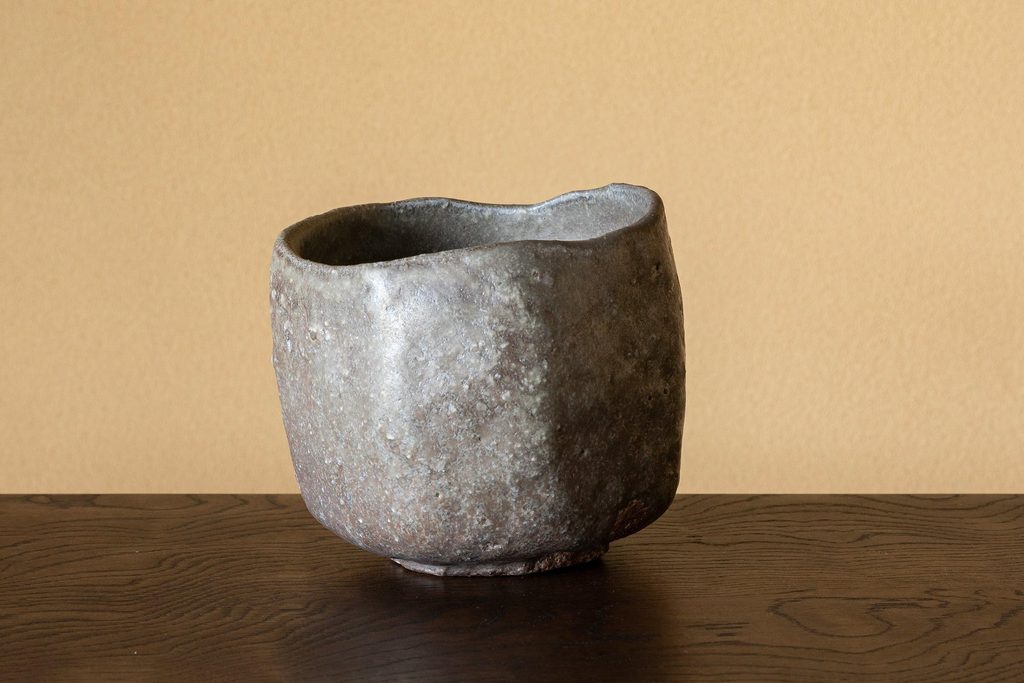
Raku tea bowls are shaped by hand rather than thrown on a potter’s wheel. Their forms can be irregular, with edges and surfaces that reflect the maker’s work.
According to the Japan National Tourism Organization, the tradition began with Chōjirō in the 16th century and remains closely associated with the tea ceremony.
These bowls reveal an important idea.
Beauty does not always come from making every detail identical. Sometimes, it comes from the relationship between the material, the maker, and the person who uses the object.
3. Why Age Can Make Something More Beautiful
Modern interiors often celebrate the appearance of something new.
Smooth surfaces. Matching finishes. Furniture without a visible mark.
However, some materials become more interesting as they age.
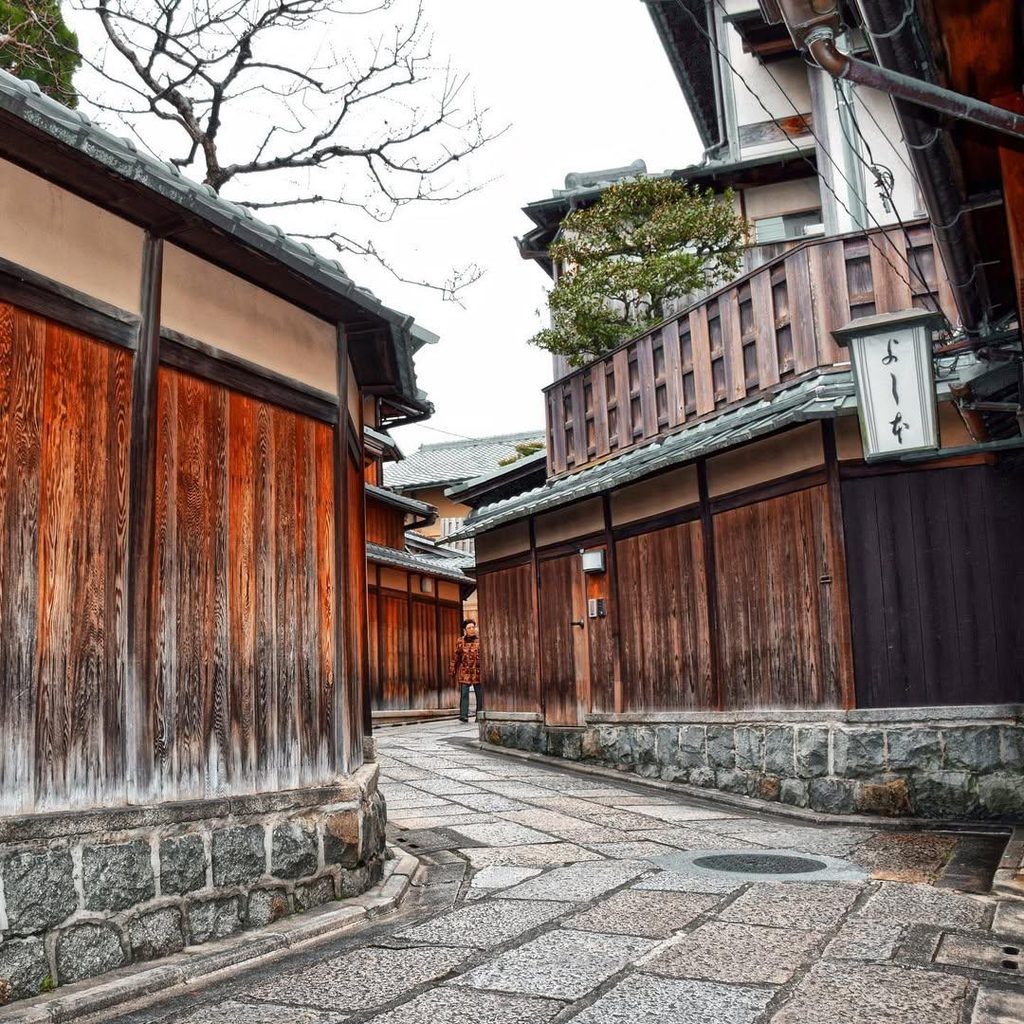
Wood develops a richer appearance through use and exposure. Metal can acquire a patina. Stone surfaces reveal changes caused by weather and time.
These changes are not always flaws that need to disappear.
They can also tell us something about an object’s history.
In Japanese aesthetics, sabi is closely associated with this appreciation of age and weathering.
That does not mean every damaged object should be preserved or that maintenance no longer matters.
Instead, it encourages a more thoughtful distinction between wear that adds character and damage that affects an object’s safety or function.
An old wooden table, for example, may be worth restoring rather than replacing. A vintage chair might benefit from careful repair while keeping the marks that tell its story.
The result is not necessarily a perfectly polished interior.
It is a space where objects have been allowed to develop character over time.
4. Kintsugi: When Repair Becomes Part of the Story
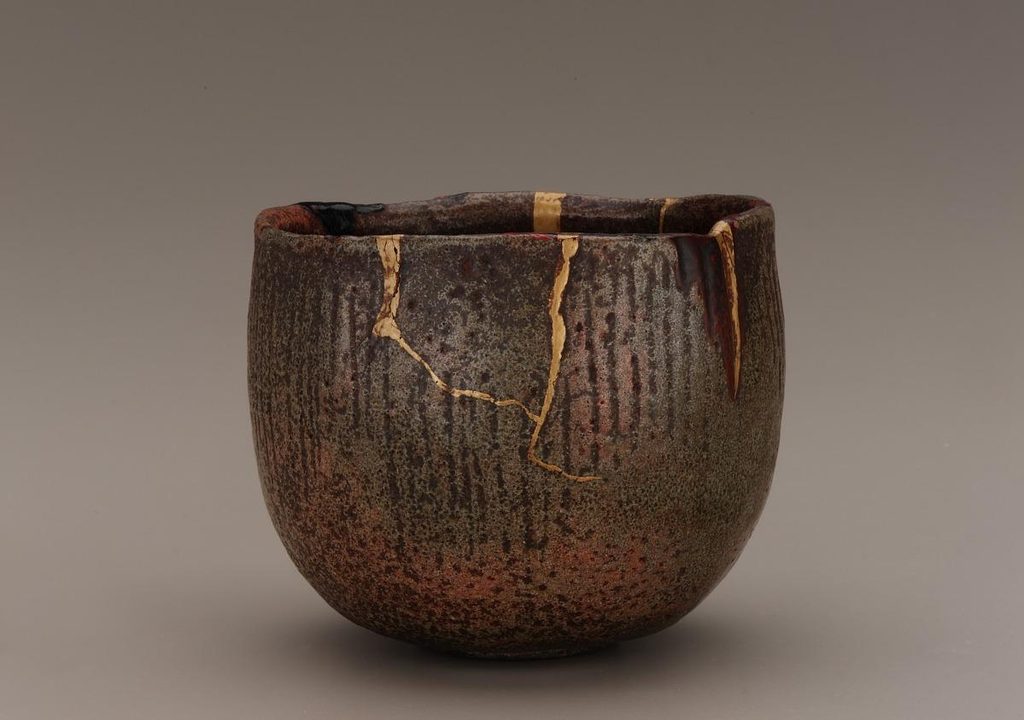
Few Japanese crafts illustrate the value of repair as clearly as kintsugi.
Kintsugi is a technique used to repair broken ceramics with lacquer, often finished with gold.
Instead of making the break invisible, the repair becomes part of the object’s appearance.
The Metropolitan Museum of Art describes kintsugi within the wider history of Japanese ceramics and the appreciation of valued objects.
It is easy to understand why the technique has captured attention beyond Japan.
A repaired bowl carries visible evidence of what happened to it. The object continues to exist, but its appearance has changed.
Still, kintsugi should be appreciated as a skilled craft, not simply as a decorative metaphor.
Traditional lacquer repair requires materials, knowledge, and time. A gold-painted crack is not automatically the same thing.
The broader lesson is one of care.
Repair can be an act of respect for an object and the work that went into making it.
In a culture where replacement is often easier than restoration, that idea feels especially relevant.
5. What Wabi-Sabi Interior Design Can Look Like
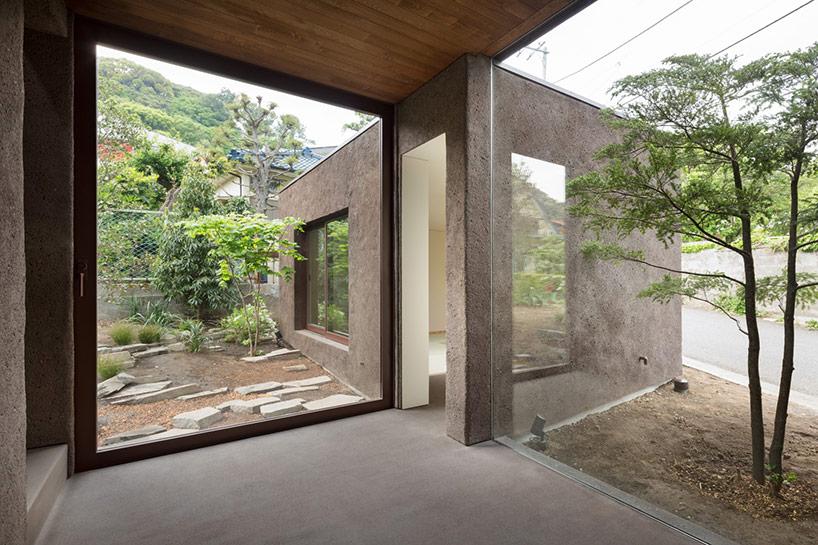
Wabi-sabi has influenced contemporary conversations about interiors, although it should not be reduced to a fixed decorating formula.
There is no official checklist of colours, furniture, or materials that makes a room authentically wabi-sabi.
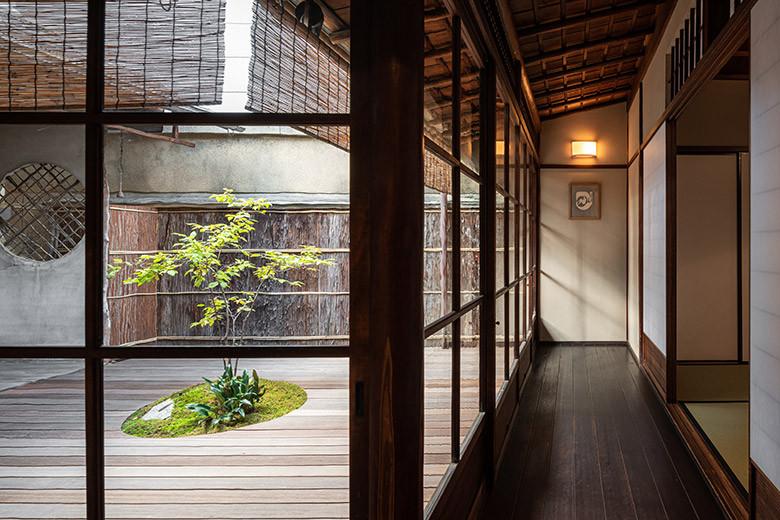
Nevertheless, its appreciation of simplicity, natural materials, and age can inspire thoughtful design choices.
Choose materials with character
Wood, clay, stone, linen, and other natural materials can introduce texture and variation into a room.
Their appeal does not depend on looking perfectly uniform.
For example, a handmade ceramic vase may have a different shape or finish from another piece made by the same craftsperson.
Those differences can make it more interesting.
Make room for objects with a history
Not everything in a home needs to be new.
A restored wooden chair, an inherited table, or a well-used ceramic bowl can bring a sense of continuity to a space.
Rather than replacing an object because it shows its age, consider whether it can be maintained or repaired.
Allow spaces to feel lived in
A welcoming room does not need to resemble a showroom.
Books that are actually read, furniture arranged for conversation, and objects chosen for personal reasons often create a stronger sense of home than a perfectly coordinated collection.
Of course, simplicity does not mean removing everything.
It means giving thought to what deserves a place.
Pay attention to light and atmosphere
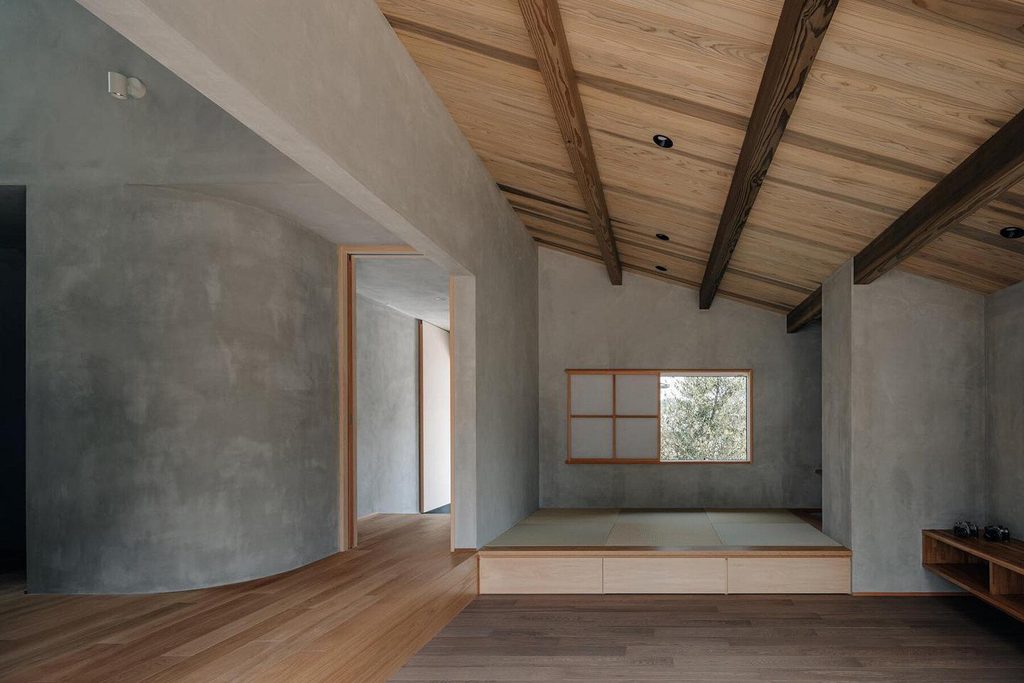
Natural light can reveal the texture of plaster, the grain of timber, and the subtle differences in handmade surfaces.
Meanwhile, softer lighting can make a room feel comfortable and inviting.
The goal is not to reproduce a particular photograph.
It is to create an environment that feels good to inhabit.
6. Wabi-Sabi Is Not the Same as Minimalism
Wabi-sabi and minimalism are often mentioned together.
Both can value simplicity and restraint. However, they are not interchangeable.
Minimalism is a broad term used across art, architecture, and design, often associated with reducing forms or elements to their essentials.
Wabi-sabi, by contrast, belongs to a particular Japanese aesthetic tradition. Its appreciation of age, impermanence, and modest beauty cannot be explained through visual simplicity alone.
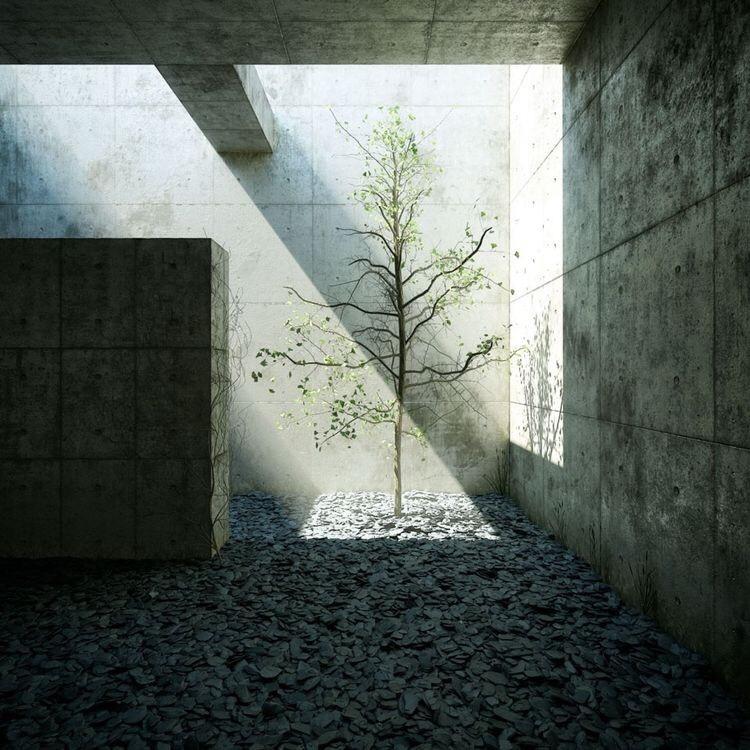
A perfectly smooth, empty room might look minimalist without expressing much about wabi-sabi.
Likewise, a room filled with carefully kept objects could reflect an appreciation for age and personal history without looking minimalist.
The distinction matters because cultural ideas can lose their meaning when reduced to a fashionable appearance.
A room does not become more thoughtful simply because its walls are beige or its furniture looks rustic.
What matters is the relationship between the objects, the space, and the people who use them.
7. Learning to Appreciate What Is Already There
Perhaps the most useful lesson of wabi-sabi has little to do with buying anything.
Instead, it begins with noticing.
Look at the objects you use every day.
Which ones have become more meaningful with time? Which materials have aged beautifully? What deserves care rather than replacement?
These questions can change the way we approach our homes.
A piece of furniture may need restoration, not removal. An old surface may benefit from gentle maintenance rather than a complete transformation.
Even the small irregularities of handmade objects can become qualities worth appreciating.
Of course, not every imperfection needs to be celebrated.
Comfort, function, and safety still matter.
Yet a home does not need to be flawless to be beautiful. It needs to support the life happening within it.
That is a more lasting ambition than following any single interior trend.
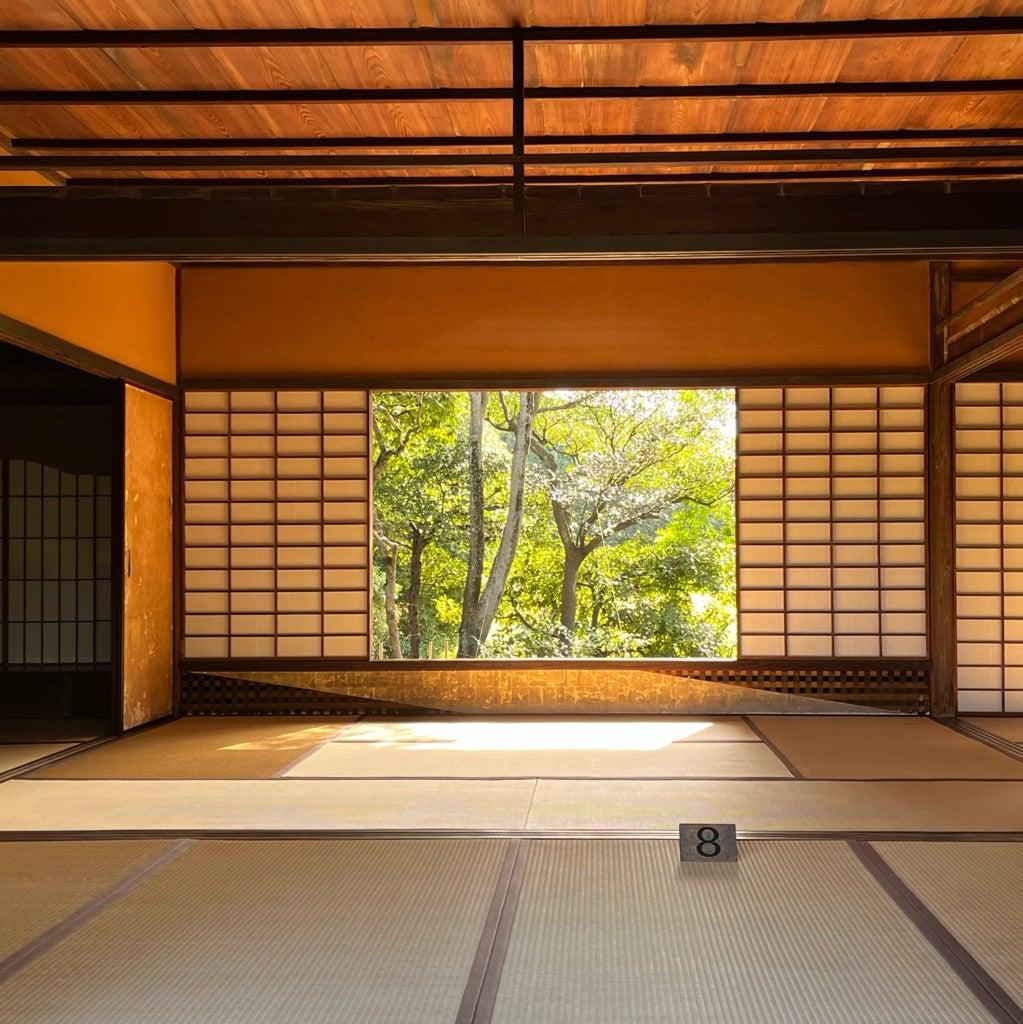
Where to Explore Japanese Craft and Aesthetics
For readers interested in understanding the tradition more deeply, museums and cultural institutions offer a valuable starting point.
Raku Museum, Kyoto
The Raku Museum preserves and exhibits pottery associated with the Raku family and its long relationship with Japanese tea culture.
It offers an opportunity to study how form, material, and craftsmanship shape the experience of an everyday object.
Explore the official Raku Museum website.
Kyoto National Museum
The museum’s exhibitions and research explore Japanese art, history, and cultural traditions, including the development of tea culture.
Its published material on chanoyu provides useful context for understanding the aesthetic ideas behind tea utensils.
Read the Kyoto National Museum’s introduction to tea culture.
The Metropolitan Museum of Art
The Met’s Japanese ceramics collections and exhibitions reveal the variety of forms, techniques, and artistic traditions associated with pottery.
Its material on kintsugi also provides context for the practice of repairing treasured ceramics.
Discover The Met’s exploration of Japanese ceramics.
Frequently Asked Questions About Wabi-Sabi
What does wabi-sabi mean?
Wabi-sabi is a Japanese aesthetic sensibility commonly associated with simple beauty, impermanence, and the character that objects develop over time. The terms wabi and sabi have distinct historical meanings, so the concept is more nuanced than simply celebrating imperfections.
What is wabi-sabi interior design?
Wabi-sabi interior design is a contemporary approach inspired by Japanese aesthetic ideas. It often favours natural materials, handmade objects, visible textures, and spaces that feel comfortable rather than perfectly styled. However, wabi-sabi itself is not a formal interior design style.
What is the difference between wabi-sabi and minimalism?
Minimalism often focuses on reducing visual elements, while wabi-sabi places importance on age, change, modest beauty, and the character of materials. The two can overlap visually, but they come from different traditions.
What materials are associated with wabi-sabi interiors?
Wood, stone, clay, linen, and handmade ceramics are often used in interiors inspired by wabi-sabi. Their natural variations and changing surfaces can create warmth and character.
Is kintsugi the same as wabi-sabi?
No. Kintsugi is a Japanese ceramic repair technique that uses lacquer, often decorated with gold. It can illustrate an appreciation for repair and an object’s history, but it is a distinct craft rather than a synonym for wabi-sabi.
How can you bring wabi-sabi ideas into your home?
Start by appreciating what you already own. Choose useful objects made with care, maintain natural materials, and consider repairing furniture or ceramics when appropriate. Above all, create a space that supports everyday living rather than pursuing a flawless appearance.
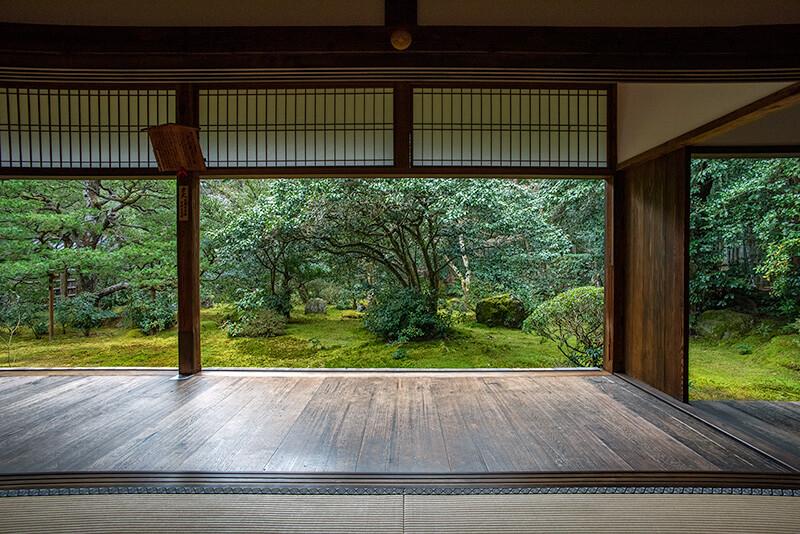
The Beauty of a Life Well Lived
The most memorable spaces are rarely defined by perfection.
They stay with us because of their character.
The worn surface of a table where people have gathered. The texture of old stone. A handmade object that feels different from anything produced in a factory.
These details connect a place to the people who have used it and the time it has lived through.
At NOBL, we are drawn to places where history, design, and everyday comfort exist together.
Our philosophy reflects a belief that the most meaningful places are those with character and a genuine sense of belonging.
Wabi-sabi offers a thoughtful reminder of why that matters.
Beauty does not always require something new.
Sometimes, it begins with learning to see what is already there.
The NOBL Journal explores remarkable destinations, thoughtful design, culture, and the art of living well. Discover the NOBL collection, a selection of places chosen for their character, setting, and atmosphere.