
What Copenhagen Understands About Living Well
From furniture made to last to architecture that brings people together, Copenhagen offers a different perspective on good design. One where the most important question is not simply how something looks, but how it makes everyday life feel.
There is a certain image of Copenhagen that has travelled far beyond Denmark.
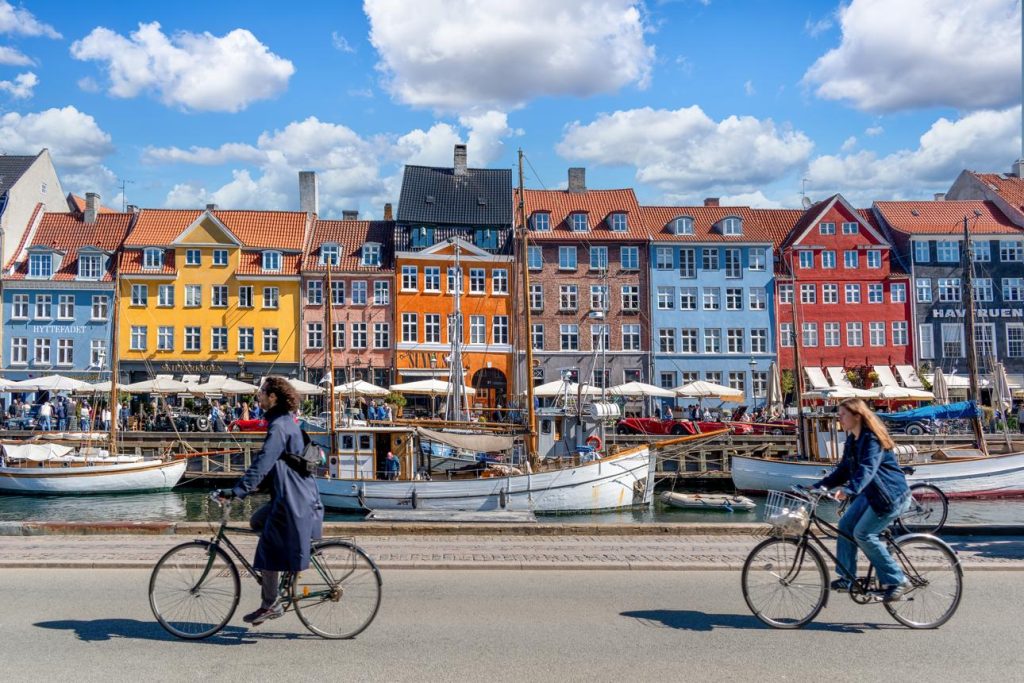
Warmly lit interiors. Beautiful wooden furniture. Bicycles leaning against old buildings. Coffee served in carefully chosen ceramics.
It is an appealing picture, and one that has helped make Danish design famous around the world.
Yet the most interesting part of Copenhagen design culture is not its appearance. It is the thinking behind it.
Across the city, design reaches well beyond furniture and interiors. It shapes public spaces, transport, architecture, and the small routines of daily life.
A chair should feel as good as it looks. A public space should invite people to use it. A building should serve a purpose beyond making an impression.
Of course, Copenhagen is not a perfectly designed city. Its architecture can be bold, divisive, and open to debate. Still, that conversation reveals something important: design matters because people live with its results.
For travellers interested in architecture, culture, and the art of living well, Copenhagen offers plenty to explore.
1. Danish Design Begins with Everyday Life
Danish design is often described through its appearance: clean lines, natural materials, and simple forms.
However, those familiar qualities tell only part of the story.
Some of Denmark’s most influential designers approached furniture and everyday objects as practical problems to solve. Comfort, craftsmanship, materials, and human needs mattered alongside appearance.
That thinking becomes clearer at Designmuseum Danmark, whose collections cover furniture, ceramics, textiles, fashion, industrial design, and more.
Among the objects represented are works by Poul Kjærholm and Poul Henningsen, two important figures in Danish design history.
Their work offers a useful starting point for understanding the relationship between form and function.
A well-designed object does not need to demand attention. Instead, it can become part of daily life, quietly doing its job while remaining beautiful to look at.
That is perhaps one of Danish design’s most enduring ideas.
The NOBL perspective: The appeal of Danish design lies not only in its restraint, but in its attention to how objects are used. Beauty becomes more meaningful when it has a place in everyday life.

2. A City Where Architecture Is Part of the Conversation
Architecture in Copenhagen is not limited to historic landmarks or celebrated private homes.
It is also a public conversation about how a city should work.
One of the clearest examples is BLOX, the striking waterfront building designed by the international architecture firm OMA.
Opened in 2018, BLOX houses the Danish Architecture Center alongside other uses, including offices, residences, and shared facilities.
Its unusual form has attracted both admiration and criticism.
Rather than blending quietly into its surroundings, the building challenges ideas about scale, public access, and the relationship between the city and its harbour.
The Danish Architecture Center explains how the project connects different levels of the city and brings together cultural activities, workplaces, and public spaces.
As a result, BLOX offers more than an interesting piece of modern architecture. It also raises questions about who buildings are for and how they shape the places around them.
Those questions make Copenhagen especially rewarding for architecture lovers.
The NOBL perspective: Beautiful architecture does not always need to be universally loved. Sometimes, the most interesting buildings are the ones that make us question how a place should look and feel.

3. The Beauty of Designing for Movement
One of Copenhagen’s most recognizable features is its cycling culture.
Yet bicycles are more than part of the city’s visual identity. They are woven into its transport system and daily routines.
Copenhagen has invested in cycling infrastructure, including dedicated cycle tracks and routes designed to help people move through the city.
This approach reflects a wider idea about urban design.
Streets are not simply spaces between buildings. They influence how people travel, interact, and experience their surroundings.
When a city makes cycling a practical option, everyday journeys can become part of a more active way of life.
Of course, cycling is not the only way to explore Copenhagen. Public transport and walking also play important roles.
Still, its cycling culture offers an interesting lesson: thoughtful design can make ordinary activities easier and more enjoyable.
For visitors, exploring Copenhagen on foot or by bicycle can reveal the relationship between its neighbourhoods, public spaces, and architecture.
The NOBL perspective: Good design is not always something we stop to admire. Sometimes, it is something we experience without thinking about it at all.

4. Hygge Is More Than Candles and Cosy Interiors
Few Danish words have travelled as widely as hygge.
It is often associated with candles, blankets, soft lighting, and comfortable interiors.
However, the idea extends beyond decoration.
Hygge is commonly understood as a feeling of warmth, comfort, and togetherness. It can describe time spent with friends, a relaxed evening at home, or a simple moment of ease.
The objects surrounding these moments may help create the atmosphere, but they are not the whole experience.
A beautiful lamp does not create connection on its own. Neither does a carefully styled dining table.
Instead, the feeling comes from how a space is used and the people who share it.
This distinction is worth remembering, especially in a world where lifestyle ideas can quickly become shopping trends.
The lesson is not that everyone needs to recreate a Danish interior.
Rather, it is that a home can be designed to support the moments that matter.
The NOBL perspective: The most welcoming spaces are rarely defined by perfect styling. Their real value lies in how easily people can relax, gather, and feel at home.
5. Copenhagen’s Design Culture Is Still Evolving

It would be easy to think of Danish design only through its most famous furniture pieces.
Yet Copenhagen continues to explore new approaches to architecture and urban life.
Nordhavn, a former industrial harbour area undergoing redevelopment, offers one example.
Here, contemporary buildings stand alongside structures that reflect the area’s industrial past.
Projects such as The Silo, an industrial grain silo converted into housing, show how existing buildings can take on new purposes.
The area also includes newer architecture, public spaces, and infrastructure designed for a changing neighbourhood.
The Danish Architecture Center’s guide to Nordhavn identifies several notable projects and explains their role in the district’s development.
What makes Nordhavn interesting is not simply its modern appearance.
It is the ongoing question of how a city can grow while responding to its past, its landscape, and the people who live there.
For travellers interested in contemporary architecture, the district offers a different perspective from Copenhagen’s historic centre.
The NOBL perspective: Places become more interesting when old and new are allowed to exist in conversation. Nordhavn shows how architecture can preserve traces of history while making room for change.
A Considered Design Guide to Copenhagen
For a design-focused visit, a few carefully chosen stops can reveal different sides of the city.
Designmuseum Danmark
Start with the museum’s collections of furniture, crafts, textiles, and industrial design. Together, they offer a broader view of Danish design beyond its most familiar pieces.
Explore the museum’s official website.
Danish Architecture Center at BLOX
Visit the Danish Architecture Center to discover exhibitions about buildings, cities, and design. The BLOX building itself also offers a chance to consider how modern architecture interacts with the waterfront.
See the official visitor information.
Nordhavn
Spend time exploring this changing waterfront district, where former industrial structures and contemporary buildings reflect different chapters of Copenhagen’s development.
For architectural context, consult the Danish Architecture Center’s Nordhavn guide.
Copenhagen’s Everyday Streets
Leave room to explore beyond the major attractions.
Notice how streets accommodate cyclists and pedestrians. Look at the relationship between old buildings and newer additions. Pay attention to the smaller details that influence how public spaces feel.
After all, some of the most interesting design decisions are not found inside museums.
They are part of everyday life.
What Copenhagen Can Teach Us About Living Well
Perhaps Copenhagen’s most useful design lesson is that beauty and practicality do not have to compete.
A chair can be elegant and comfortable. A building can be ambitious and useful. A public space can serve a practical purpose while making daily life more enjoyable.
However, good design does not always mean adding more.
Sometimes, it means making better choices about what is already there.
Choosing materials that age well. Creating spaces that encourage connection. Giving familiar objects the attention they deserve.
These ideas reach far beyond Denmark.
They invite us to think differently about our homes, the places we visit, and the environments we create for others.
Because living well is not simply about surrounding ourselves with beautiful things.
It is also about making room for a beautiful way of life.
Frequently Asked Questions About Copenhagen Design Culture
What is Copenhagen famous for in design?
Copenhagen is known for Danish furniture design, modern architecture, and its approach to urban planning. The city is also home to Designmuseum Danmark and the Danish Architecture Center, both of which explore the relationship between design, culture, and everyday life.
What are the main characteristics of Danish interior design?
Danish interior design is often associated with simple forms, functional furniture, natural materials, and carefully planned lighting. Comfort and practical use are important themes, although Danish design includes many different styles and periods.
Where can you experience Danish design in Copenhagen?
Designmuseum Danmark is a useful starting point for furniture, crafts, and design history. The Danish Architecture Center offers exhibitions about architecture and cities, while areas such as Nordhavn provide examples of contemporary urban development.
What does hygge mean in Danish culture?
Hygge is a Danish concept associated with comfort, warmth, ease, and togetherness. Although often linked to cosy interiors and lighting, it also describes shared experiences and an atmosphere of feeling at home.
Is Copenhagen worth visiting for architecture lovers?
Yes. Copenhagen offers historic architecture, modern waterfront developments, design museums, and contemporary urban projects. BLOX and Nordhavn are two places where visitors can explore how architecture shapes the city.

The Art of Living Well
At NOBL, we are drawn to places where design serves a deeper purpose.
Not simply to impress, but to create a feeling. To encourage people to slow down, spend time together, and appreciate their surroundings.
That belief sits at the heart of the NOBL philosophy, where character, atmosphere, and a sense of place matter more than a long list of features.
Copenhagen offers a thoughtful reminder of why that approach matters.
The spaces we choose shape the moments we experience within them.
And sometimes, the most meaningful luxury is simply a place that makes everyday life feel a little better.
The NOBL Journal explores remarkable destinations, thoughtful design, culture, and the art of living well. Discover the NOBL collection, a selection of places chosen for their character, setting, and atmosphere.