
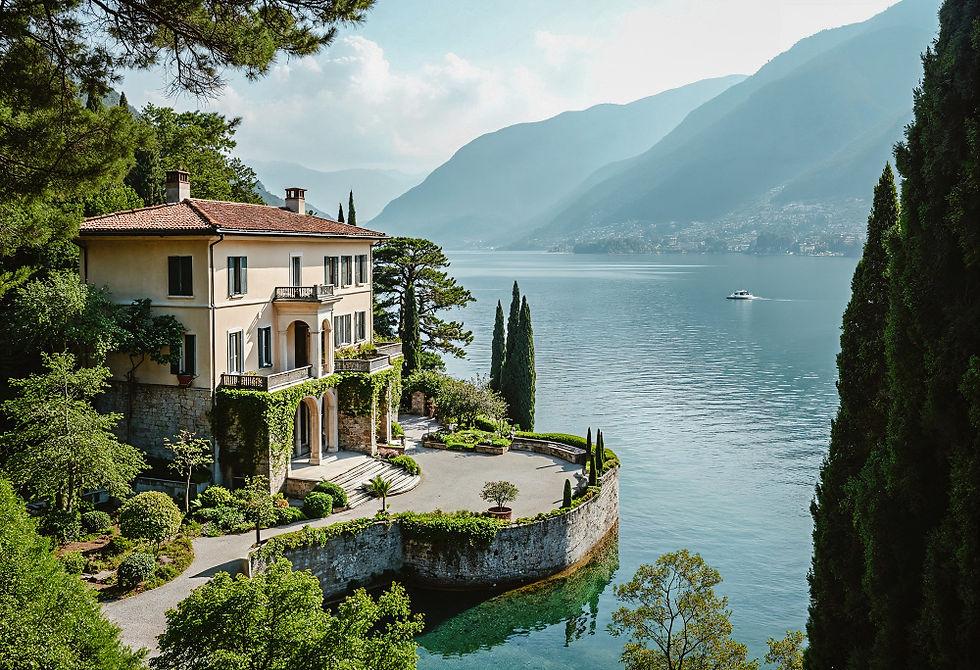
Beyond the famous villas and glamorous waterfronts lies a different Lake Como, one of medieval villages, remarkable gardens, historic footpaths, and places that reward a little curiosity.
There is a version of Lake Como that almost everyone knows.
Grand villas overlooking the water. Elegant boats crossing the lake. Terraces framed by mountains, with the kind of scenery that seems almost too beautiful to be real.
But there is another side to Lake Como: centuries-old stone staircases, gardens shaped by generations of owners, and walking paths that reveal the landscape one turn at a time.
For travellers interested in hidden gems in Lake Como, the most rewarding discoveries are not necessarily the most spectacular. Sometimes, they are simply the places that encourage us to look closer.
Corenno Plinio: A Medieval Village Carved in Stone
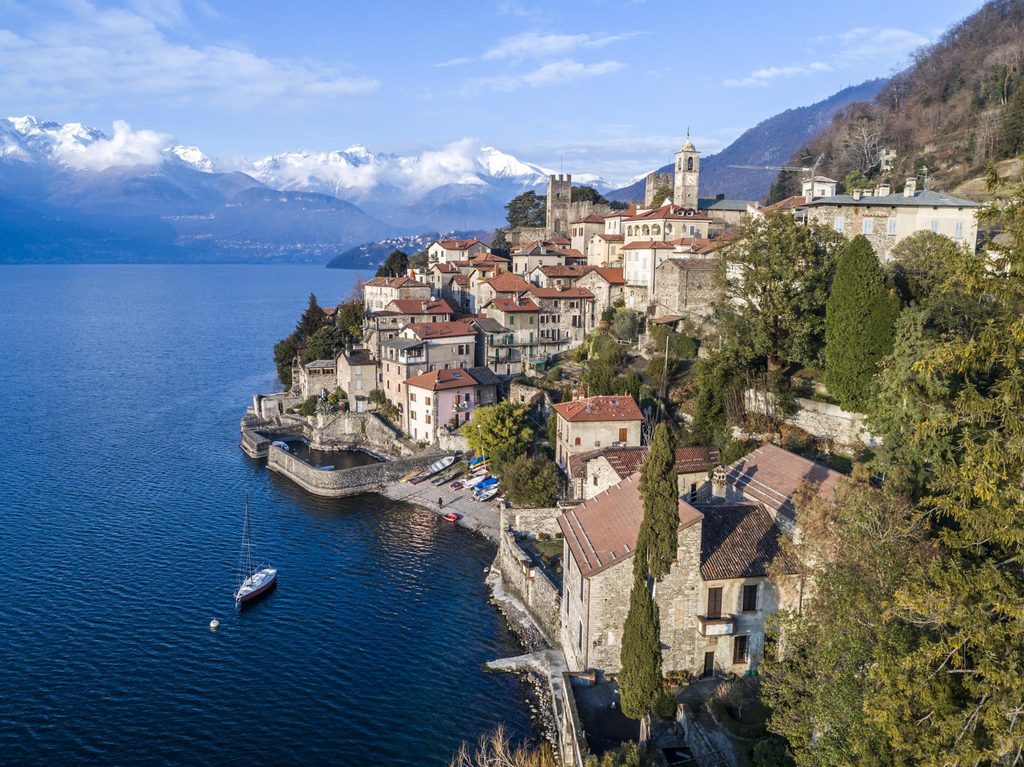
On Lake Como’s eastern shore, Corenno Plinio is a medieval village distinguished by narrow passages, stone houses, and steep staircases carved into rock. Its castle, cobbled steps known as scalotte, and historic waterfront offer a distinctive architectural landscape.
Rather than approaching Corenno Plinio as another picturesque stop, notice how the streets follow the hillside and how the village’s stonework connects its buildings to the landscape.
The NOBL perspective: Especially interesting for travellers drawn to architecture and historic settlements.
Explore the official Corenno Plinio visitor website.
Bellano: Where the Landscape Becomes the Attraction
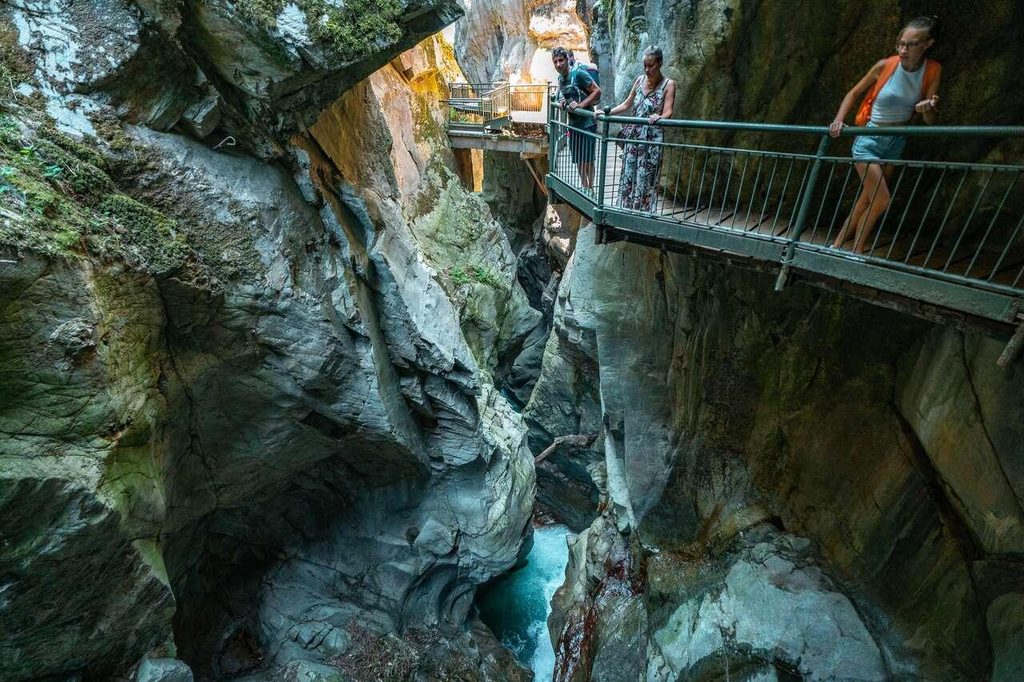
Bellano, on Lake Como’s eastern shore, is home to the Orrido di Bellano, a gorge shaped by the Pioverna stream. The natural formations offer a striking contrast to the lake’s elegant villas. Bellano also has a historic centre, waterfront, and access to the Sentiero del Viandante walking route.
The NOBL perspective: Include Bellano for a balance of natural landscapes and local history.
Read the Lake Como Tourism guide to Bellano.
Villa Monastero: A Garden with Centuries of Stories
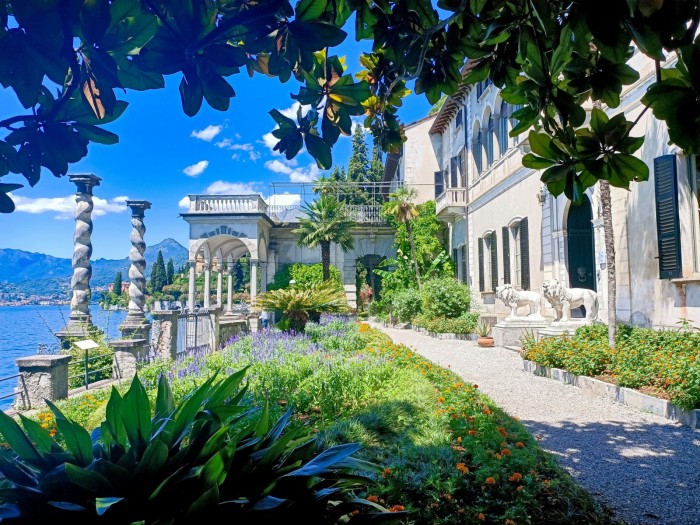
Villa Monastero in Varenna traces its history to a Cistercian monastery founded at the end of the 12th century. The property later developed an eclectic architectural character under successive owners. Today, it combines a house museum, including fourteen rooms with original furnishings and decorative elements, with a botanical garden stretching along the lakeshore.
The appeal lies in the relationship between architecture, cultivated landscape, and changing ideas of domestic life.
The NOBL perspective: A rewarding stop for lovers of historic interiors, garden design, and European architectural heritage.
Discover Villa Monastero’s museum and gardens.
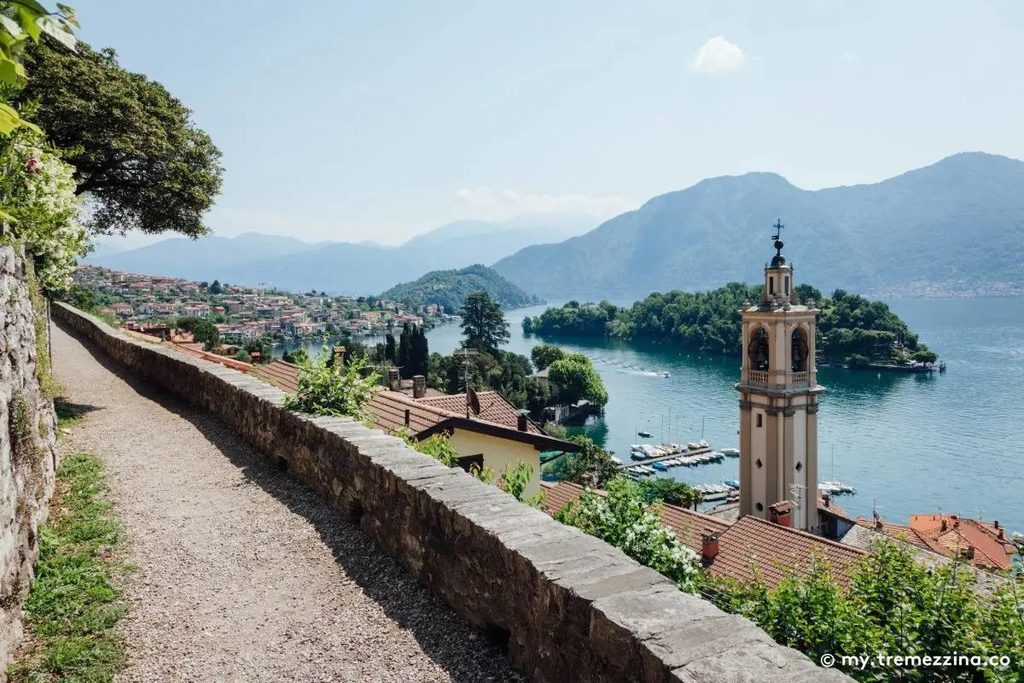
The Lake Como Greenway: Discovering a Place on Foot
The Lake Como Greenway is a signposted walk of approximately 11 kilometres along the western shore, passing Colonno, Sala Comacina, Ossuccio, Lenno, Mezzegra, Tremezzo, and Griante. Parts follow the ancient Via Regina, while others wind through village streets and beside the lake.
The official website estimates around three and a half hours for the full route, but it can be explored in shorter sections. A stone bridge, a church, a village square: these smaller encounters are part of its appeal.
The NOBL perspective: Choose a section that interests you and leave time to explore rather than treating the route as a checklist.
Plan with the official Lake Como Greenway guide.
Varenna: Looking Beyond the Familiar View
Varenna is not undiscovered. Its colourful waterfront and celebrated villas are among Lake Como’s familiar sights. Yet its historic streets, Villa Monastero, Villa Cipressi, and nearby Castello di Vezio offer more to explore than a single postcard view.
Notice how the buildings relate to the steep terrain. Wander beyond the waterfront. Give the gardens and architecture as much attention as the scenery.
The NOBL perspective: Thoughtful travel can mean approaching a celebrated place with greater curiosity, not only searching for somewhere obscure.
Explore the official Varenna destination guide.
A Different Way to Experience Lake Como
The most interesting journeys are not always those that cover the greatest distance. Sometimes they begin with different questions: What stories does this building hold? Why was this village built here? How has the landscape shaped daily life?
Lake Como’s architecture, villages, botanical gardens, and walking routes reveal a destination with more depth than its most recognizable images suggest.
Planning a More Considered Lake Como Escape
Architecture and history lovers will find plenty to admire in Corenno Plinio and Villa Monastero. Meanwhile, Bellano’s dramatic gorge offers a different perspective on Lake Como’s natural beauty. Those who prefer exploring on foot can follow a section of the Greenway, discovering charming villages along the way. For a closer look at historic gardens and design, Varenna is well worth a visit.
Lake Como’s ferry network connects major destinations, including Bellagio, Varenna, Menaggio, and Cadenabbia, but routes vary by season. Check official Navigazione Laghi timetables before planning.
Leave room for an unexpected discovery.
Frequently Asked Questions About Lake Como
What are some hidden gems in Lake Como?
Corenno Plinio offers medieval architecture and stone staircases, Bellano is known for its gorge, and the Lake Como Greenway reveals smaller historic settlements on foot.
Is Lake Como worth visiting beyond Bellagio?
Yes. Varenna, Bellano, Corenno Plinio, and the western-shore Greenway offer different combinations of architecture, nature, history, and culture.
Can you explore Lake Como without a car?
Many major lakeside destinations are accessible by public boats, with rail and bus connections serving certain areas. Smaller-village access varies, so verify routes before travelling.
What is the Lake Como Greenway?
It is a signposted walking route of approximately 11 kilometres along the western shore, crossing seven village areas. You can walk it in sections.
What makes Lake Como interesting for architecture lovers?
Historic villas, botanical gardens, medieval villages, churches, and traditional lakeside buildings offer a rich variety of architectural experiences.
The Art of Looking Closer
At NOBL, we believe the character of a place matters as much as its appearance. Architecture, landscape, history, and atmosphere shape how we remember a journey. This perspective guides the NOBL philosophy.
The most memorable places do not always reveal everything at first glance. Sometimes, their beauty lies in what we take the time to notice.
The NOBL Journal explores remarkable destinations, thoughtful design, culture, and the art of living well. Discover the NOBL collection, selected for character and setting.